
Silghat Town, Assam, is home to a jute mill unlike any other in India. The Assam Co-operative Jute Mills Ltd., registered in 1959 and opened in 1970, is described as the only jute mill in the country run in the cooperative sector. It stands on the southern bank of the Brahmaputra, in a town with river views and a direct railway line to Kolkata and Chennai.
Silghat is also an old river port, a temple town and a gateway across the Brahmaputra to Tezpur. Here’s where it is, how to get there, and what’s nearby.
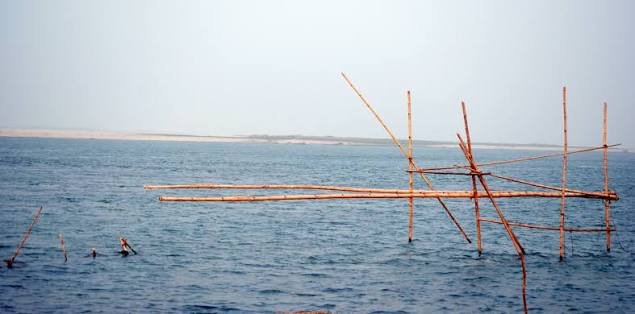
Silghat at a Glance
| Detail | Information |
| District | Nagaon, Assam |
| Subdivision | Kaliabor |
| Location | South bank of the Brahmaputra |
| PIN code | 782143 |
| Distance from Nagaon | About 46–55 km (sources vary) |
| Distance from Tezpur | About 25 km |
| Railway station | Silghat Town |
| Nearest airport | Tezpur (Saloni), about 10 km from Tezpur |
| Industry | Assam Co-operative Jute Mills (opened 1970) |
| Major festival | Ashokastami Mela (March–April) |
How Big Is Silghat?
Figures vary depending on how the area is counted:
- Census village: The 2011 Census recorded “Silghat Town” as a village of just 27.05 hectares, with 1,228 people.
- Wider town: Silghat as a place is larger, taking in the jute mill, the railway station, temples and surrounding settlements along the river.
- Distance from Nagaon: Wikipedia says 48 km, the Nagaon district website says about 46 km via Kaliabor, and a village directory says 55 km. One travel site gives 28 km, which appears too low.
A River Port With History
- River port: Silghat has long been a port on the Brahmaputra’s south bank, used for crossings to the north bank before bridges were built.
- Kalia Bhomora Bridge: The bridge over the Brahmaputra now connects the Silghat area with Tezpur.
- Kaliabor nearby: The subdivision town of Kaliabor, 8 km away, was the headquarters of the Ahom Borphukans and saw several battles against the Mughals.
Temples and Sights
- Kamakhya Temple: Silghat has its own Kamakhya temple, not to be confused with the famous one in Guwahati. The Ashokastami Mela is held near it each spring.
- Trishuldhari: A Shiva temple on the riverbank, also a popular picnic spot with views of the Silghat hills and the jute mill. The district website says the temple is 2,000 years old, a claim that’s hard to verify.
- Samantagiri: A Durga temple on a hillock, where the Ashokastami Mela draws large crowds.
- Hatimura Temple: Built in 1745–46 by Ahom king Pramatta Singha, this Durga temple sits on a hillock overlooking the Brahmaputra. It has a rock-cut ten-armed Durga and a four-armed Ganesha. Jakhalabandha station is about 2.7 km away.
- Other sites: Simala Garh, Manuh Kata Tumoni, Gandhi Asthidham and several heritage British-era bungalows.
Ashokastami Mela
This fair is held on the riverbank every year in March or April, during the Assamese months of Chot and Bohag. The Nagaon district website places it in the first week of April. It’s the best time to see Silghat at its liveliest.
Getting to Silghat Town, Assam
By Rail
Silghat Town station is the end point of several long-distance trains:
- Kolkata–Silghat Town Kaziranga Express: A direct link to Kolkata.
- Alipurduar–Silghat Town Rajya Rani Express: Connects Silghat with north Bengal.
- Nagaon Express: A weekly train between Silghat Town and Tambaram (Chennai), via New Jalpaiguri, Malda Town and Asansol.
By Road
- From Nagaon: About 46–55 km via Kaliabor.
- From Tezpur: About 25 km across the Kalia Bhomora Bridge.
- From Kaliabor: About 8 km.
By Air
Tezpur Airport at Saloni, about 10 km from Tezpur, is the nearest airport. Guwahati’s airport has many more flights but is much further away.
Nearby Areas
Tezpur
Tezpur, across the river, is the region’s main city, with hospitals, colleges, markets and the nearest airport. It’s also known for Agnigarh and Cole Park.
Kaliabor
The subdivision headquarters, 8 km away, with historic Ahom-era sites and administrative offices.
Jakhalabandha
A nearby railway town and the closest station to the Hatimura temple.
Kaziranga National Park
Kaziranga, famous for its one-horned rhinos, lies to the east of Kaliabor along the national highway. Many visitors combine it with a trip to Silghat.
When to Visit
- October to April: The best period, with pleasant weather and easy travel. The Nagaon district website recommends this window for the riverside temples.
- March–April: The Ashokastami Mela makes this a good time for festival lovers.
- Monsoon (June–September): The Brahmaputra rises, and riverside areas can flood. Check conditions before travelling.
FAQs
Q1. What is Silghat famous for?
A: The Assam Co-operative Jute Mills, India’s only cooperative-sector jute mill, its riverside temples, the Ashokastami Mela and its location on the Brahmaputra opposite Tezpur.
Q2. Which trains run from Silghat Town station?
A: The Kaziranga Express to Kolkata, the Rajya Rani Express to Alipurduar and the weekly Nagaon Express to Tambaram (Chennai).
Q3. How far is Silghat from Tezpur?
A: About 25 km. The Kalia Bhomora Bridge connects the two across the Brahmaputra, and Tezpur’s Saloni airport is the nearest airport.
Q4. When is the Ashokastami Mela held in Silghat?
A: Every year in March or April. The Nagaon district website places it in the first week of April, near the Kamakhya temple.